Beyond the Welcome Mat: Designing Apprenticeships That Broaden Who Can Apply
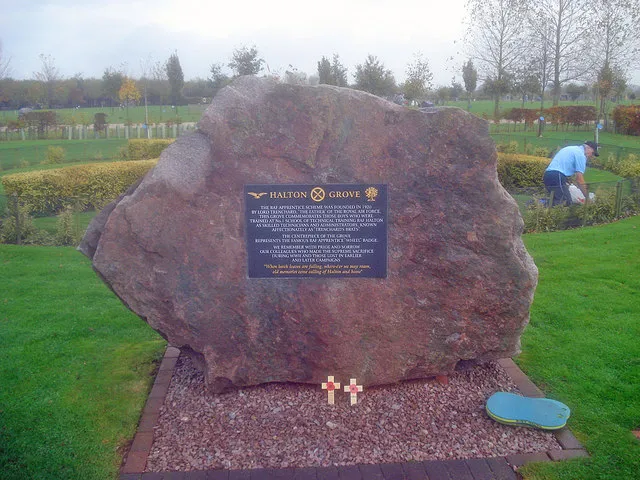
Photo: Trevor Rickard, CC BY-SA 2.0, via Wikimedia Commons
Apprenticeships are one of the few routes into skilled work that combine earning and learning. That makes them a powerful inclusion lever. It does not make them inclusive by default. If recruitment relies on existing networks, if assessment rewards polish over potential, or if pay assumes family support, the gate remains narrow even when the welcome mat is warm.
The practical task for UK employers in 2026 is to widen the gate. That means designing the whole route, from school outreach to completion, around the people who are least likely to apply.
Begin with the gate, not the greeting
Outreach is often treated as marketing. It should be treated as access design. Start with data: which schools, colleges and postcodes in your region send the fewest applicants? Which groups are missing from your apprentice intake by ethnicity, disability, gender and socio-economic background?
Then go where the talent is. Work with careers hubs, local authorities, colleges, voluntary sector organisations and community groups. Visit schools with high proportions of pupils eligible for free school meals. Offer taster days, site visits and virtual sessions. Pay travel costs for events. Make sessions accessible with British Sign Language interpreters, captions, easy-read materials and quiet spaces. Avoid unpaid work experience as a gateway, because it filters by family income.
Language matters too. Job adverts that assume degree-level vocabulary or prior sector knowledge will deter capable people. Explain the role in plain English, show what a typical week looks like, and name the support available.
Design applications for potential, not polish
Remove requirements that are not essential. A GCSE in maths may be justified for some roles; a particular A-level rarely is. Use contextual recruitment. Shortlist blind where possible. Offer alternatives to a CV: a short phone call, a practical task or a portfolio. Publish sample tasks so candidates know what to expect.
Test assessments for adverse impact. Avoid long online tests that assume quiet space, reliable broadband and confidence with technology. Offer paper or telephone alternatives. Train assessors on bias and inclusive interviewing. Provide reasonable adjustments by default, not only when a candidate has the confidence to ask.
Make the money add up
Apprenticeship pay is an inclusion issue. The apprentice minimum wage may be lawful but it is not always livable. Employers can choose to pay the real Living Wage or above, and they should say so clearly in adverts.
Consider the full cost of saying yes: travel, equipment, meals, childcare and care responsibilities. Offer flexible patterns and part-time apprenticeships where the role allows. Think about care leavers, carers, disabled people and older career changers. Regional disparities matter. A rural apprenticeship that requires a car is not accessible to many young people. A London apprenticeship on low pay is not accessible to those without housing support.
Protect learning and progression
Study time must be protected, not treated as something apprentices do after a full shift. Provide mentoring and pastoral support. Review completion and distinction rates by ethnicity, disability, gender and socio-economic background. Monitor conversion to permanent roles and salary progression. Ensure apprentices are not used as cheap cover, and that end-point assessment support is built into the timetable.
A short checklist for 2026
- Map outreach against local deprivation and applicant data, not just school relationships.
- Remove non-essential entry requirements and publish sample assessments.
- Pay at least the real Living Wage where possible, and cover travel and equipment costs.
- Track applications, offers, completions and progression by inclusion characteristics.
- Give apprentices a route to speak honestly about their experience, with a senior sponsor who acts on it.
Govern for inclusion
Set targets for applications, offers and completions. Report progress to the board or people committee. Use apprenticeship levy funds strategically rather than treating them as a sunk cost. Review the route annually with apprentices, colleges and community partners.
The welcome mat matters. But if the gate is narrow, the mat is decoration. Inclusive apprenticeships are built when employers change who can apply, who can afford to stay, and who can progress. That is how a route into work becomes a route to flourishing.